
Learn About Watch Movements Through Clear And Helpful Guides
Understanding how a watch works can make choosing and appreciating a timepiece more enjoyable. The movement is one of the most important elements because it controls how time is measured and displayed. Learning about different movement types, their functions, and their individual advantages helps readers develop valuable knowledge. Clear educational guides make these technical details easier to understand while creating a more confident approach to watch selection.
Understanding The Basics Of Watch Movements
A watch movement is the internal mechanism responsible for keeping time and operating its display. Different movements use different technologies to maintain accuracy and provide reliable performance. Exploring these fundamentals helps readers recognize the engineering and craftsmanship behind everyday timepieces.
- Discover how internal mechanisms regulate timekeeping.
- Understand the relationship between components and performance.
- Explore the importance of consistent time measurement.
- Learn how movement designs influence watch functionality.
- Recognize the engineering involved in compact mechanisms.
Exploring Mechanical Movement Technology
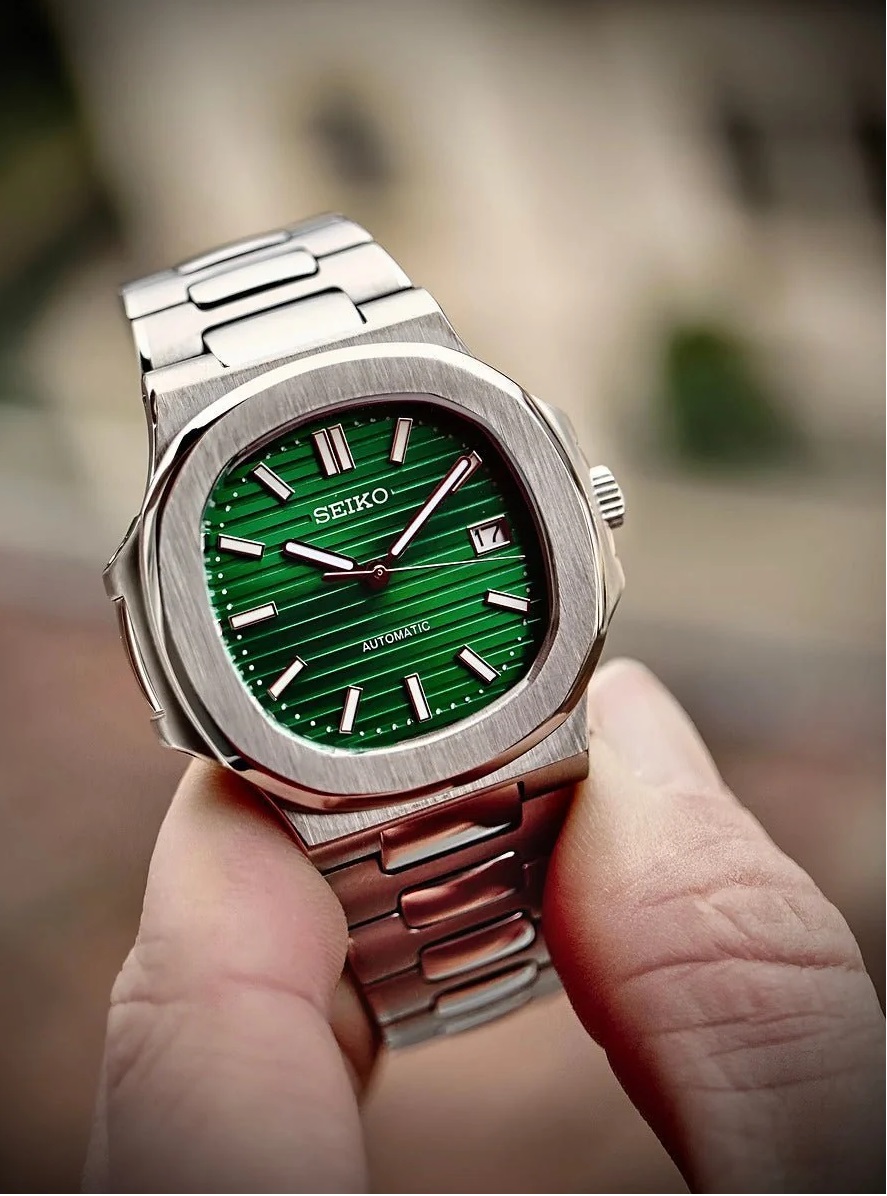
Mechanical movements demonstrate the beauty of traditional engineering through carefully arranged components. These mechanisms use stored energy to operate a series of interconnected parts, creating a fascinating timekeeping experience. Helpful explanations introduce their construction, operation, and distinctive characteristics in an accessible manner.
- Understand how mainsprings store and release energy.
- Explore the function of gears and interconnected wheels.
- Discover how oscillating components support time regulation.
- Learn about manual winding and automatic winding.
- Appreciate the craftsmanship behind mechanical construction.
Learning About Quartz Movement Features
Quartz movements offer another interesting approach to measuring time through electronic components and controlled vibrations. Their straightforward operating principles make them valuable subjects for beginners exploring watch technology. Detailed guides explain how these movements function and why their practical characteristics attract considerable interest.
- Explore how quartz crystals support accurate timekeeping.
- Understand the role of battery-powered operation.
- Learn how electronic circuits regulate movement.
- Discover the advantages of convenient everyday maintenance.
- Compare quartz technology with mechanical mechanisms.
Recognizing Important Movement Components
Every movement contains specific components that contribute to its overall operation. Understanding these individual parts creates a clearer picture of how different mechanisms work together. Educational resources make technical information approachable by explaining each component through simple descriptions and useful comparisons.
- Balance wheel: Helps regulate mechanical timekeeping.
- Escapement: Controls the release of stored energy.
- Mainspring: Provides energy for mechanical operation.
- Rotor: Supports automatic winding through wrist movement.
- Gear train: Transfers energy throughout the mechanism.
Improving Knowledge Through Helpful Watch Guides
Reliable educational information encourages readers to explore movement technology with greater interest. A well-organized resource such as rwi can support learning by presenting watch-related subjects in an understandable and engaging manner. Comparing explanations and reviewing essential terminology also makes technical subjects easier to remember.
Readers can strengthen their understanding by exploring:
- Detailed explanations of different movement categories.
- Comparisons highlighting essential technical differences.
- Discussions about accuracy and everyday performance.
- Information about maintenance and long-term care.
- Helpful descriptions of traditional and modern engineering.
Appreciating The Future Of Watch Movement Innovation
Watch movements continue to demonstrate impressive developments in engineering, precision, and functional design. Exploring these advancements helps readers understand how established mechanisms and modern technologies contribute to evolving timekeeping experiences. Every new discovery provides another opportunity to appreciate the creativity behind watch construction.
Developing movement knowledge makes watch appreciation more rewarding. With clear guides, useful comparisons, and accessible technical explanations, readers can recognize important features and understand the principles behind different mechanisms. This knowledge encourages informed decisions while building lasting interest in the fascinating world of horology.